Jewellery Courses After 10th: Career Pathways for Students in South India
For students who finish 10th and feel drawn to gems and jewellery, the industry offers real careers, not just a family trade. India is one of the world’s largest centres for cutting, polishing and selling diamonds and jewellery, and the sector needs skilled people at every level. The challenge is knowing where to start. This guide explains the main jewellery courses after 10th, the career pathways they lead to and how to choose the right one for you.
Key Takeaways
- Students can enter the jewellery industry through gemology, diamond grading, design, retail and quality control pathways.
- Short certificate courses build a first skill, while diplomas and later study open more advanced roles.
- Practical training and a clear career goal matter more than the name of the course.
Why the Jewellery Industry Is a Real Career Option
The gem and jewellery sector is a major part of India’s economy and a large employer. Trade bodies such as the Gem and Jewellery Export Promotion Council and the Gem and Jewellery Skill Council of India work to grow skills across the industry, from manufacturing to retail.
In South India, cities such as Kochi, Thrissur, Coimbatore and Bangalore have busy jewellery markets with showrooms, workshops and wholesalers. These businesses need people who understand stones, metals and customers. Starting early, with the right training, can give students a strong head start.
Pathway One: Gemology and Gem Identification
Gemology is the science of gemstones. Gemologists identify stones, detect treatments and synthetics, and assess quality. It suits students who enjoy science, careful observation and working with instruments.
Many students begin with a foundation course and build up to a full diploma. Our guide on how to become a gemologist in India explains the typical steps. Over time, gemology can lead to roles in laboratories, quality checking, buying and valuation.

Pathway Two: Diamond Grading
Diamond grading focuses on judging diamonds by the 4Cs and related factors, then reading and preparing grading reports. It suits students with patience, good eyesight and an eye for detail.
Graders work in laboratories, manufacturing units and retail. The skill is highly practical, so courses with real stones matter most. You can learn more in our guide on how to become a certified diamond grader in India.
Pathway Three: Jewellery Design
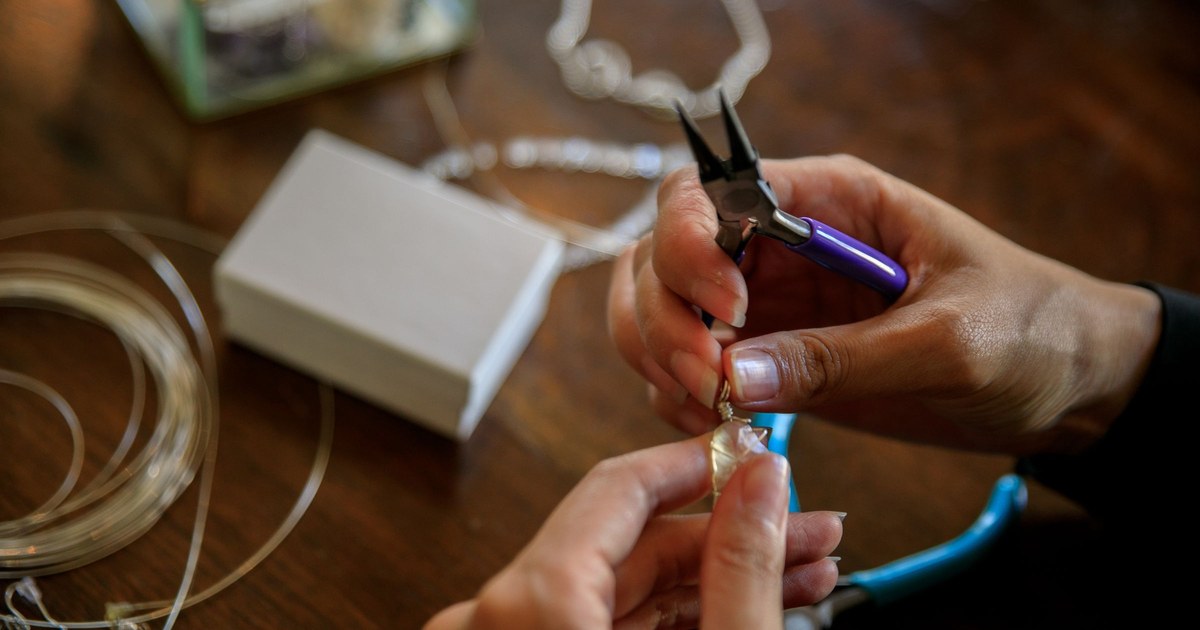
Design suits creative students who enjoy drawing and technology. Designers create pieces by hand sketching and through CAD software, then work with manufacturers to bring designs to life. Many designers start in workshops or manufacturing houses before moving into brand or freelance work.
Design courses often focus on drawing skills, metal and stone basics, and digital tools. A basic understanding of gemology helps designers choose stones and settings that are practical as well as beautiful.
Pathway Four: Jewellery Retail and Sales
Jewellery retail is one of the largest employers in the sector. Sales consultants guide customers, explain products and handle high value purchases with care. The role suits students who enjoy talking to people and want steady growth into supervisory and management roles.
Good retail training covers product knowledge, ethical selling and customer service. IIJF Global’s Diploma in Jewelry Retail Sales Management is designed to prepare learners for these roles.
Pathway Five: Quality Control and Forensics
Quality control and jewellery forensics focus on checking metals, hallmarks, stones and paperwork to protect stores and customers from fraud and errors. It suits careful, analytical students who like solving problems.
As stores face more synthetic stones and imitations, demand for people with these skills is growing. Our guide to jewellery forensics careers in India explains the scope and typical roles.
How to Choose the Right Course After 10th
Start with your interest. Do you enjoy science, creativity or working with people? Then look at the course itself. Check eligibility, duration, how much practical training is included and whether the certificate can be verified. Ask about placement support or industry links.
Eligibility differs between courses. Some accept students after 10th, while advanced diplomas may expect 12th or prior experience. Always confirm the current requirements with the institute before enrolling. Many students combine a short course now with further study after 12th, building skills step by step.
Study Formats That Fit Students
Students can choose between offline courses with full time practical training, online courses for flexible theory study, and hybrid courses that combine both. Short workshops are also a good way to test your interest before committing to a longer programme.
Conclusion
Jewellery courses after 10th can open real careers in gemology, diamond grading, design, retail and quality control. Choose a pathway that matches your interests, pick a course with genuine practical training and keep building your skills over time. To explore course options and eligibility, visit IIJF Global’s courses page or contact our team for guidance.
Frequently Asked Questions
Q1: What jewellery courses can I do after 10th?
Students can explore foundation courses in gemology, diamond grading, jewellery design, retail sales and quality control. Eligibility varies, so check each course’s requirements with the institute.
Q2: Is jewellery a good career option after 10th?
Yes, for students with genuine interest. India’s jewellery sector is large and needs skilled people in identification, grading, design, retail and quality control.
Q3: Can I study gemology after 10th?
Some gemology foundation and certificate courses accept students after 10th, while advanced diplomas may require 12th. Confirm eligibility with the institute before applying.
Q4: What does a gemologist do?
A gemologist identifies gemstones, detects treatments and synthetics, and assesses quality using instruments such as the microscope, refractometer and polariscope.
Q5: Which jewellery career suits creative students?
Jewellery design suits creative students. Designers sketch by hand and use CAD software to create pieces, then work with manufacturers to produce them.
Q6: Which jewellery career suits students who like people?
Jewellery retail and sales suits students who enjoy customer interaction. With product knowledge and ethical selling skills, sales roles can grow into management positions.
Q7: How long are jewellery courses after 10th?
Duration varies widely, from short workshops of a few days to certificate courses of a few months and longer diplomas. Check the specific course details before enrolling.
Q8: Are online jewellery courses useful for students?
Online courses are useful for theory and flexibility, but practical skills such as grading and instrument use need hands on training, so hybrid or offline options are often better.
Q9: Is there placement support after jewellery courses?
Many institutes offer placement support or industry links. Ask about this before enrolling, and check how past students have moved into jobs.
Q10: Where can students take jewellery courses in South India?
IIJF Global offers gemology, diamond grading, forensics, Navratna and retail courses in South India with online, offline and hybrid options for students and professionals.

You may also like

Jewellery CAD Design Course: Skills, Software and Scope

Gemology Course Fees, Duration and Eligibility in India
