
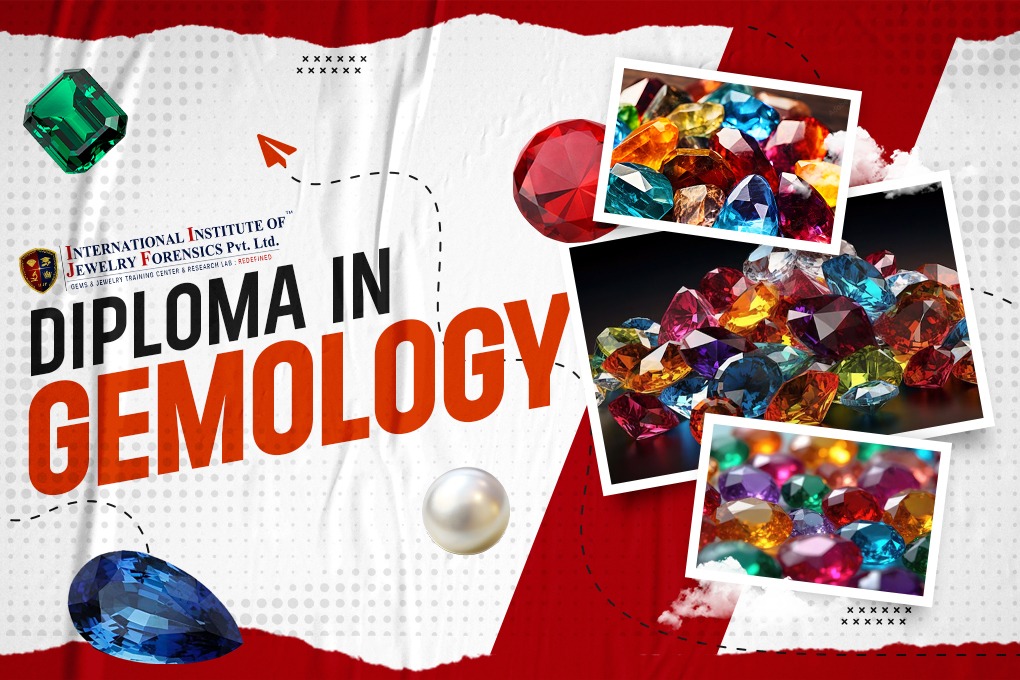
How to Become a Gemologist in India
A gemologist is the trained eye behind every gemstone’s story — the professional who can tell a natural sapphire from a synthetic one, grade a ruby’s quality, and place a fair value on a stone. In a country that exports a huge share of the world’s gems, it is a career built on a skill that never goes out of demand.
Gemology is the science, art, and profession of identifying and evaluating gemstones. If you’ve ever been fascinated by precious stones and wondered how to turn that interest into a respected, well-paid career, this guide is for you. It covers exactly what a gemologist does, the eligibility to enter the field, the courses available, the career scope, and what you can realistically earn — plus how to get started in Bangalore.
What Is Gemology, and What Does a Gemologist Do?
Gemology is the scientific study of gemstones — their identification, grading, evaluation, and origin. A gemologist is the professional trained to do this work. Using specialised instruments such as the microscope, refractometer, polariscope, and 10x loupe, a gemologist can identify a stone, distinguish natural from synthetic and treated gems, grade quality, and assess value.
The work spans the entire gemstone world: diamonds, coloured stones (rubies, emeralds, sapphires), pearls, and more. A gemologist understands how gems form, how they’re classified, what treatments are used to enhance them, and the international standards used to grade and certify them. It’s a profession that rewards precision, patience, a good eye for detail, and genuine curiosity.
Gemologist vs Diamond Grader — What’s the Difference?
A diamond grader specialises specifically in evaluating diamonds against the 4Cs. A gemologist is broader — trained to identify and evaluate the full range of gemstones, including coloured stones and pearls, as well as diamonds. Gemology is the wider foundation; diamond grading is a specialisation within it.
Eligibility: Who Can Become a Gemologist?
One of the best things about gemology is how accessible it is. You do not need a science background or a specific degree to start. The general eligibility across most institutes in India is:
- Education: Passing 10+2 (Class 12) in any stream from a recognised board is the typical requirement for diploma and certificate courses. Some advanced or postgraduate programmes ask for a graduate degree.
- Age: Usually a minimum of around 18 years.
- Aptitude: Good hand–eye coordination, colour sensitivity, and strong observation skills are valuable. For customer-facing roles, communication skills help.
- No science prerequisite: While a science background can help with the technical side, it is not mandatory for most diploma and certificate courses.
In short, if you’ve completed Class 12 and have a genuine interest in gemstones, you can begin.
How to Become a Gemologist: Step by Step
STEP 1
Build foundational knowledge of gemstones
Start by understanding the fundamentals — what gemstones are, how they form, how they’re classified, and the basics of how natural, synthetic, and treated stones differ.
STEP 2
Enrol in a structured gemology course
Gemology is a hands-on science. The skill comes from working with real stones and instruments under expert guidance — not from theory alone. A good diploma course combines gemstone identification, grading, and evaluation with extensive practical lab sessions using professional gemological tools.
STEP 3
Earn a recognised gemology certification
A recognised diploma is what establishes your credibility with employers and clients, and what allows you to work professionally or set up your own gem-testing practice. It’s the credential that turns interest into a career.
STEP 4
Gain practical, hands-on experience
The more stones you examine, the sharper your judgement becomes. Practical exposure through lab sessions, workshops, internships, or entry-level roles is what builds the confidence and consistency the industry values.
STEP 5
Specialise and grow your career
Once qualified, you can specialise — in diamond grading, coloured stones, pearls, appraisal, or astro gemology — and move into senior roles, laboratory work, trading, or your own business.
Course Snapshot — Diploma in Gemology at IIJF
- What you learn: Gemstone identification, grading and evaluation; natural vs synthetic vs treated stones; use of professional gemological instruments; coloured stones, diamonds and pearls
- Format: Flexible online and hands-on onsite options
- Languages: English, Malayalam, Tamil, Hindi, Kannada, Telugu
- Eligibility: Open to all — no prior background required
- Certification: Diploma from IIJF, with placement assistance
Career Scope: Where Gemologists Work
Gemology opens doors across a surprisingly wide range of settings. India exports a large share of the world’s gems, so the scope is broad and growing. Qualified gemologists work as:
- Gemologist / Gem Identifier in testing laboratories and certification bodies.
- Jewellery Appraiser / Valuer assessing stones for sale, insurance, or resale.
- Quality Control Specialist for manufacturers and retailers.
- Gem Buyer / Trader in gem exporting and trading companies.
- Retail Gemstone Expert advising customers in jewellery showrooms.
- Auction House Specialist evaluating gems for sale.
- Entrepreneur running an independent gem-testing lab or gemstone business.
Many gemologists also work as freelancers, and the qualification is internationally portable — gem hubs around the world recognise the skill.
Gemologist Salary in India
Earnings vary with experience, certification, and role, but the broad picture from current industry sources is encouraging:
| Level | Typical Annual Salary (India) |
| Entry-level gemologist | ₹2 – 5 lakh per year |
| Experienced / qualified gemologist | ₹5 – 10 lakh per year |
| Specialists & lab professionals | Higher, rising with reputation and expertise |
Earning potential grows significantly with hands-on expertise, recognised certification, and specialisation. Running your own gem-testing lab or gemstone business can raise income further. Across every source, the pattern is consistent: certification and practical skill directly drive earning power.
Why Study Gemology at IIJF, Bangalore?
IIJF Global’s gemology training is led by genuinely credentialed experts — including a faculty member with a Gemology Graduate certification from GII Mumbai and specialised GIA training. You learn with real stones and professional instruments, earn a recognised diploma, receive placement assistance, and gain a clear pathway into the wider gems and jewellery profession — all from a specialist institute in the heart of South India’s jewellery scene.
Frequently Asked Questions
What qualifications do I need to become a gemologist in India?
For most diploma and certificate courses, passing Class 12 (10+2) in any stream is enough. No science background is required. A recognised gemology diploma plus hands-on experience is what makes you a working professional.
Do I need a science background to study gemology?
No. While a science background can help with the technical concepts, it isn’t required for most diploma and certificate gemology courses. Genuine interest and good observation skills matter more.
What is the difference between a gemologist and a diamond grader?
A gemologist is trained to identify and evaluate the full range of gemstones — coloured stones, pearls, and diamonds. A diamond grader specialises specifically in grading diamonds against the 4Cs. Gemology is the broader foundation.
What salary can a gemologist earn in India?
Entry-level gemologists typically earn ₹2–5 lakh per year, rising to ₹5–10 lakh with experience and certification. Specialists and those running their own labs or businesses can earn more.
Is the gemology course available online?
IIJF offers flexible online learning alongside hands-on onsite options, in six languages, so you can study from anywhere in India while still gaining practical instrument experience.
Begin Your Career as a Gemologist
Join IIJF Global’s Diploma in Gemology and learn to identify, grade, and evaluate gemstones with professional confidence.
Call / WhatsApp: +91 9000 638 438 | +91 75 61 88 11 20
Email: info@iijfglobal.com
Courses: https://iijfglobal.com/courses/