Jewellery Forensics Career: Scope, Salary and Demand in India
A career in jewellery forensics is niche, respected and growing. As lab grown diamonds and clever treatments spread, more businesses need experts who can prove what a gem really is. This guide looks at the scope, salary and demand for jewellery forensics in India. It covers the roles you can pursue, who hires forensic gemologists, and how to start on this path.
Key Takeaways
- Demand for jewellery forensics is rising as lab grown stones and treatments spread.
- Forensic gemologists work in labs, insurance, retail, legal support and consulting.
- Pay grows with skill and experience, and the niche skill helps you stand out.
The Growing Demand for Jewellery Forensics
Demand for forensic skills is climbing for a clear reason. Lab grown diamonds now match natural ones to the eye, and treatments can hide a stone’s true quality. Buyers, sellers and insurers all need proof they can trust. Only a trained forensic gemologist can provide it. As these challenges spread through the market, the need for detection skills grows with them.
India sits at the centre of the global gem trade, which adds to the demand. The country cuts and trades a large share of the world’s diamonds, and bodies such as the Gem and Jewellery Export Promotion Council track steady activity. A big, active market with rising treatment and synthetic use means more work for people who can prove the truth. This points to a long runway for forensic careers.
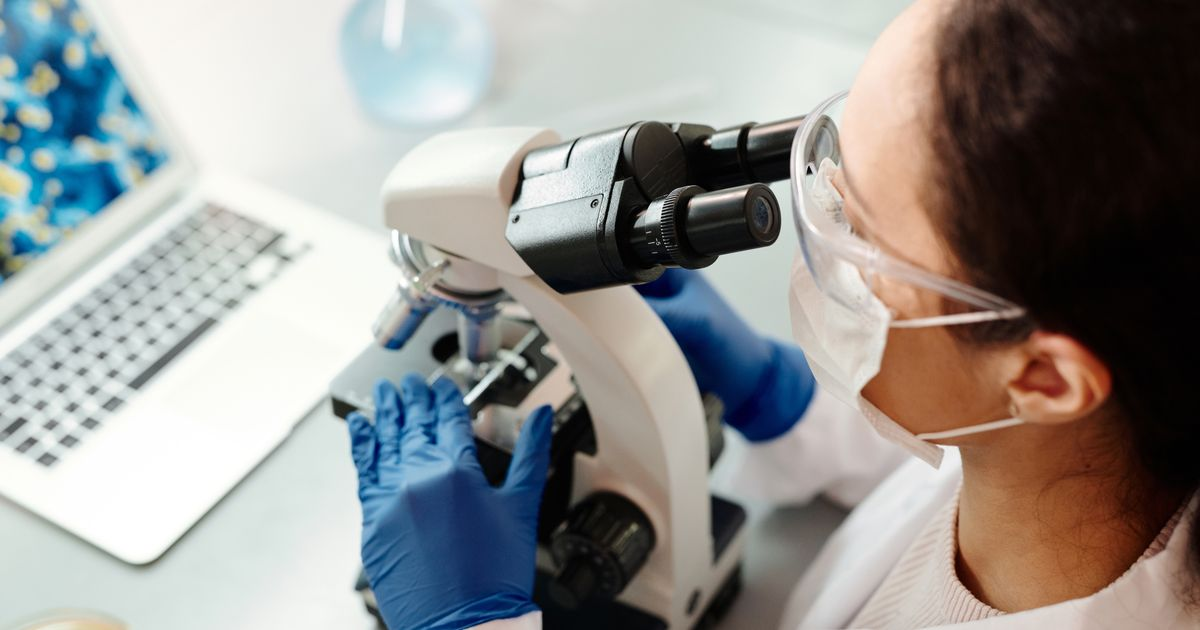
!Jewellery forensics career scope, salary and demand in India, by IIJF Global
Roles and Who Hires Forensic Gemologists
Jewellery forensics opens several roles across the trade. You can work in a gem testing lab, confirming identity and treatment. You can support insurers with fair valuations and honest claims. Large retail chains hire forensic skills to build trust and check stock. Legal teams use forensic reports to settle disputes, and some experts act as expert witnesses.
Others build independent consultancies, serving jewellers and buyers directly. Because few people hold deep forensic skills, those who do can choose from varied work. The role also pairs well with gemology and diamond grading, so you are not limited to one type of job. This flexibility is a real strength of the field for anyone planning a long career.
The mix of employers keeps the work varied and secure. A dip in one area, such as retail, may be balanced by demand in another, such as insurance or legal support. This spread protects a forensic gemologist from relying on a single kind of client. It also lets you follow the work you enjoy most, whether that is lab testing, client advice or expert reporting in disputes.
Salary and Scope in India
Pay in jewellery forensics reflects skill, experience and the value of the cases you handle. Entry level roles start in line with skilled gemology work, often in the range of three to six lakh rupees a year. With experience and a strong record, forensic experts earn more. Senior specialists, consultants and expert witnesses sit at the top of the range.
Scope grows over time as your reputation builds. Trusted experts attract higher value cases and repeat clients. Consulting and appraisal work can add income on top of a salary. Because the field is still emerging, early movers who build real skill can carve out a strong position. As demand rises, the rewards for proven forensic experts are likely to rise too.
Location shapes opportunities as well. Major trade centres and cutting hubs offer more roles and higher value cases than small towns. Cities with active retail and testing markets, such as Bangalore, are strong bases for forensic work. Online trade has also opened remote consulting for those with a proven name. This spread means you can build a career near home or move to a hub to grow faster.
Skills and Qualifications You Need
A forensic career rests on a strong base and specialised skills. You need solid gemology and diamond knowledge first. On top of that, you add detection skills for synthetics and treatments, plus clear reporting. Honesty and method matter as much as knowledge, since your findings carry weight. Good communication rounds out the profile, as clients need to understand your results.
The clearest route is a proper diploma with real lab practice. You learn to use both basic and advanced tools with a set method. You practise on real stones until your judgement is sure. A background as a certified diamond grader or gemologist helps you start strong. From there, forensic study turns you into a specialist the trade needs.
How to Start a Jewellery Forensics Career
Starting is simpler than it sounds. Begin with a strong gemology or diamond grading course to build your base. Then take forensic detection training with real stones and instruments. Build a portfolio of the cases and stones you study, and keep learning as new treatments appear. Use placement support and trade contacts to find your first role.
Choose your institute with care, since lab time and trainers decide your skill. Look for a course that teaches forensics as a full, hands on subject, not a footnote. IIJF Global teaches jewellery forensics as a named diploma, which few institutes do. Explore its forensics and gemology courses to begin a career in this emerging and future ready field.
Tips to Grow Faster in Jewellery Forensics
A few habits help you grow faster in this field. Handle as many stones as you can, since practice sharpens your eye. Keep a record of the cases and stones you study, which builds a portfolio to show employers. Stay current with new treatments and synthetics, as the field changes quickly. Build contacts through your alumni network and trade events, because many roles come through people you know.
Also plan your credentials in a smart order. Start with a strong gemology and grading base, then add forensic detection, and only later take advanced or niche training. This keeps your progress steady and avoids paying twice for the same skills. As you build a name for accurate, honest work, higher value cases and repeat clients follow. Reputation, more than anything, is what drives a forensic career forward.
Is a Jewellery Forensics Career Right for You
This field suits a certain kind of person. If you enjoy detail, science and careful problem solving, you will likely enjoy the work. If you value being right over being fast, and honesty over easy answers, you will fit the role well. Patience helps too, since good findings take time. People who like both lab work and talking to clients tend to do best of all.
It also suits those who want a skill that lasts. Because the field is emerging and few hold it, a forensic gemologist enjoys a rare position. The constant learning keeps the work fresh, and the demand keeps growing. If you want a respected, future ready career in the jewellery trade, and you are ready to train properly, jewellery forensics is well worth considering.
Conclusion
A career in jewellery forensics offers a rare, respected and growing path in the jewellery trade. Demand is rising as lab grown stones and treatments spread, and trained experts are few. With a strong base, forensic skills and honest reporting, you can build a career with real scope and rising rewards. Explore IIJF Global’s forensics and gemology courses to take the first step.