What Does a Jewellery Forensics Expert Do? A Day in the Life
A jewellery forensics expert is part gemologist and part investigator. Their job is to prove the truth about a gem or a piece of jewellery. They confirm whether a diamond is natural, whether a stone is treated, and whether the paperwork matches the stone. This guide walks through what a jewellery forensics expert actually does each day, the skills they use, and who they work with.
Key Takeaways
- A jewellery forensics expert proves the identity, origin and treatment of gems.
- Daily work mixes lab testing, careful reporting and clear communication with clients.
- The role suits detail focused people who enjoy science and honest problem solving.
The Role of a Jewellery Forensics Expert
A jewellery forensics expert answers questions that carry real weight. Is this diamond natural or lab grown? Has this ruby been heated? Is this the same stone named on the report? Their answers guide money, trust and sometimes the law. Unlike a grader who judges quality, a forensic expert judges truth. This makes the role both technical and responsible, since a finding must stand up to challenge.
The work is calm, careful and precise. A forensic gemologist studies each stone with method and records every step clearly. They must be honest, since their name stands behind each report. Many come from a gemology or diamond grading background and then add forensic detection skills. This mix of deep knowledge and steady judgement is what sets the role apart in the jewellery trade.
Responsibility is a big part of the role. A forensic finding can decide a sale, settle a claim or even shape a court case. This means the expert must be sure before they speak, and clear about what the evidence shows. It is not guesswork; it is proof built step by step. People who enjoy solving puzzles with care, and who value being right over being quick, tend to thrive in this work.
A Typical Day: Daily Tasks
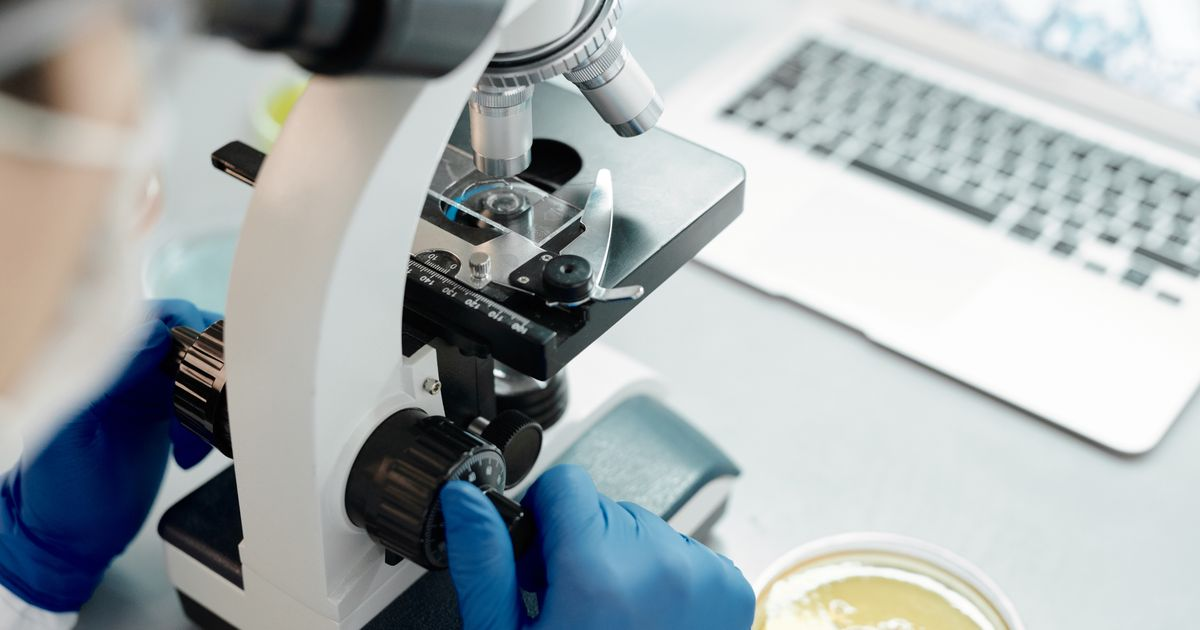
No two days are the same, but the tasks follow a pattern. A forensic expert receives stones or jewellery to examine, often with a question attached. They clean and study each item under a microscope and other tools. They run tests to check identity, origin and treatment. Then they record clear findings and prepare a report the client can trust.
Between tests, the expert may speak with clients to explain results in plain terms. They keep careful notes and images, since a case may be reviewed later. They also stay up to date, because new treatments and synthetics appear all the time. This blend of hands on testing, clear records and steady learning fills a forensic gemologist’s day.
Attention to detail runs through every task. A missed clue can lead to a wrong finding, so the expert works slowly and checks their results. They often test a stone more than one way to be sure. They also keep their tools clean and their records neat, since order supports accuracy. This careful habit is what clients pay for, because it turns a busy day of testing into findings they can truly trust.
Detecting Fakes and Treatments
A large part of the work is separating real from false and treated from natural. The expert checks whether a diamond is natural or lab grown by studying growth clues and light behaviour. They look for signs of heat, fracture filling, dyeing or coating in coloured stones. They also spot substitutes such as glass or synthetic look alikes sold as natural gems.
Each finding is reported honestly, whether it pleases the client or not. A treated stone is not always a bad stone, but the buyer deserves to know. This honesty is the core of the job. It protects buyers from fraud and protects honest sellers from unfair competition. Doing this well needs both strong tools and a strong sense of duty to the truth.
Who a Forensic Gemologist Works With
Forensic gemologists rarely work alone. They serve jewellers who want to confirm stock, and buyers who want peace of mind before a big purchase. They support insurers who need fair valuations and honest claims. They help legal teams by providing clear, defensible reports, and may act as expert witnesses. Some also work with customs and trade bodies.
This range of clients makes the role varied and people facing, not just lab bound. Good communication matters as much as good testing, since clients need to understand the findings. The ability to explain a complex result in simple words builds trust and repeat work. It is one reason a forensic gemologist who can both test and talk well is so valued.
Skills You Need to Do the Job
The role rests on a few key skills. You need deep gemology knowledge and a sharp, patient eye. You need steady hands and method with delicate instruments. You need honesty, since your reports carry weight. You also need clear communication to explain findings to clients who are not experts. These skills grow with training and real practice on many stones.
You can build this profile step by step. Start with a strong gemology and diamond grading base, then add forensic detection skills. Practise on real stones under a trainer’s guidance until your judgement is sure. IIJF Global teaches this path within its forensics and gemology courses, so you can move from beginner to confident forensic gemologist with proper support.
What Makes a Good Forensic Gemologist
The best forensic gemologists share a few traits. They are patient, since good findings take time and care. They are honest, because their reports must reflect the evidence, not the client’s wishes. They are curious, always learning about new treatments and synthetics. They are also methodical, following the same careful steps each time. These traits matter as much as knowledge, since they make findings you can trust.
Good communication rounds out the picture. A forensic gemologist must explain a complex result in plain words, so a jeweller or buyer can understand it. They must also write clear reports that hold up if reviewed. Someone who has both strong lab skill and clear communication becomes truly valuable. If these traits describe you, and you enjoy science and detail, forensics may be a strong fit for your career.
Why the Role Is Growing in India
The demand for forensic experts is rising fast in India. Lab grown diamonds now match natural ones to the eye, and you can read an overview of synthetic diamonds to see why they are so hard to spot. As these stones and new treatments spread, more buyers and businesses need proof of what they own. This turns a once rare role into a skill the trade increasingly asks for.
India’s size in the gem trade adds to this growth. The country cuts and sells a huge share of the world’s diamonds, so the volume of stones needing checks is enormous. Retail chains, insurers and export houses all need trusted findings. Because few people hold deep forensic skills, a trained expert can find varied, steady work. For someone starting today, the timing is strong.
Conclusion
A jewellery forensics expert proves the truth about gems, from natural versus lab grown to treated versus untreated. The daily work blends careful lab testing, honest reporting and clear talk with clients. It suits people who enjoy detail, science and doing the right thing. With the right training, it is a rare and rewarding role. Explore IIJF Global’s forensics and gemology courses to start your path.
Frequently Asked Questions
Q1: What does a jewellery forensics expert do?
A jewellery forensics expert proves the truth about gems. They test whether a diamond is natural or lab grown, detect treatments, confirm identity, and write clear reports for clients.
Q2: Is a forensic gemologist the same as a diamond grader?
No. A grader judges a stone’s quality, while a forensic gemologist judges its truth, such as natural versus synthetic or treated versus untreated. The two skills work well together.
Q3: What does a forensic gemologist do each day?
They receive stones with a question, study each under a microscope and other tools, run tests for identity and treatment, and prepare honest reports. They also advise clients on results.
Q4: What skills does a jewellery forensics expert need?
They need deep gemology knowledge, a patient eye, steady hands with instruments, honesty and clear communication. These skills grow with training and practice on many real stones.
Q5: Who hires jewellery forensics experts?
Jewellers, buyers, insurers, legal teams and customs bodies all use forensic gemologists. Some experts act as consultants or expert witnesses in disputes over identity and value.
Q6: Do forensic gemologists work in a lab all day?
Not only. They test stones in the lab, but they also speak with clients, write reports and keep records. Clear communication is a big part of the role, not just testing.
Q7: Can a forensic gemologist detect treated gemstones?
Yes. They detect heat, fracture filling, dyeing, coating and other treatments in coloured stones. They report these honestly, so buyers know exactly what they are paying for.
Q8: Is jewellery forensics a stressful job?
It is careful, focused work rather than high pressure. The main demands are accuracy and honesty, since reports carry weight. Many find the problem solving and clear results rewarding.
Q9: How do I train to become a forensic gemologist?
Build a gemology and grading base, then add forensic detection skills with real stones. IIJF Global teaches this in its forensics and gemology courses.
Q10: Is jewellery forensics in demand in India?
Yes. As lab grown stones and treatments spread, more buyers and businesses need proof. This raises demand for trained forensic gemologists, a skill few people currently hold.

You may also like