Jewellery Forensics: A Complete Guide to the Science and Career
- Posted by admin
- Categories Blog, Uncategorized
- Date September 25, 2026
- Comments 0 comment
Jewellery forensics is the science of proving the truth about gems and jewellery. It uses gemology and lab tools to tell natural from synthetic, real from treated, and genuine from fake. As lab grown stones and clever treatments spread, this skill is in growing demand across India. This guide explains what jewellery forensics is, the techniques and tools it uses, where it is applied, and how you can build a career in this emerging field.
Key Takeaways
- Jewellery forensics proves the identity, origin and treatment of gems and diamonds.
- It is used in retail, insurance, legal disputes and customs, where trust and proof matter.
- It is an emerging, in demand career that few Indian institutes teach as a full diploma.
What Is Jewellery Forensics
Jewellery forensics applies the science of gemology to questions of proof. A forensic gemologist answers questions such as: is this diamond natural or lab grown? Has this ruby been treated? Is this stone the same one named on the certificate? These answers matter in money, law and trust. For a plain introduction, you can read IIJF’s guide on what jewellery forensics is, which sets out the basics of the field.
The work sits where gemology meets investigation. A forensic gemologist not only grades a stone but also studies its origin, history and any hidden changes. This calls for deep knowledge, careful method and the right instruments. It is precise, patient work with real stakes, since a wrong call can cost a buyer or a business dearly. That is why proper training and honest reporting are at the heart of the field.
Jewellery forensics is different from jewellery design or making, which create pieces. It is closer to diamond grading and gemstone identification, but it goes deeper into proof and detection. Where grading judges quality, forensics judges truth. A forensic gemologist can be asked to defend a finding to a buyer, an insurer or even a court, so accuracy and clear records are essential.
The field draws on several sciences at once. It uses gemology to know stones, physics to read how they behave under light, and chemistry to understand treatments and growth. It also borrows the careful method of any good investigation, where evidence must be gathered and recorded with care. This blend makes forensics both demanding and rewarding. It rewards curious minds who enjoy learning across subjects and applying that knowledge to real, practical questions.
Why Jewellery Forensics Matters Today
The jewellery market has changed fast, and forensics has become vital. Lab grown diamonds now look identical to natural ones to the eye. Treatments can improve a stone’s colour or clarity without disclosure. Skilled fakes can fool an untrained buyer. In this setting, only proof protects people, and proof is what forensics provides. Buyers, sellers and insurers all rely on it to trade with confidence.
India is central to this story. The country cuts and trades a huge share of the world’s diamonds, and bodies such as the Gem and Jewellery Export Promotion Council support standards across the sector. As the market grows and treatments spread, demand for trained detection skills rises with it. This makes jewellery forensics both a service the trade needs and a career with a long future.
Trust is the currency of the jewellery trade, and forensics protects it. When a buyer cannot tell natural from lab grown, or treated from untreated, they rely on a trained expert to tell them the truth. One proven case of fraud can damage a jeweller’s name for years. By confirming what a stone really is, a forensic gemologist protects both the buyer and the honest seller. This quiet work keeps confidence in the whole market, which every jeweller depends on.
!Jewellery forensics, the science of proof in gems and diamonds, by IIJF Global
Detecting Synthetic and Lab Grown Diamonds
Telling a lab grown diamond from a natural one is a core forensic skill. Both are real diamonds with the same structure, so simple tests do not separate them. Forensic gemologists study growth patterns, trace elements and how a stone reacts to ultraviolet light. Special instruments reveal clues that the eye cannot see. You can read a short overview of synthetic diamonds to understand how they are grown and why detection matters.
Lab grown stones are not fakes, and honesty is the goal, not blame. A buyer simply deserves to know which type they own, since natural and lab grown diamonds sell at very different prices. A forensic gemologist confirms the origin and makes sure the paperwork says so clearly. This protects buyers from paying a natural price for a lab grown stone, and it keeps the whole market fair and trusted.
Detection has grown harder as lab grown quality improves. Older tests that once worked well can now miss the finest synthetics. This is why forensic gemologists rely on careful method and modern instruments, and why they keep learning. A trained expert never guesses; they gather clear evidence before making a call. This discipline is what separates a firm, defensible finding from a risky opinion, and it is a core part of forensic training.
Spotting Gemstone Treatments and Fakes
Coloured stones like rubies, sapphires and emeralds are often treated to improve their look. Common treatments include heat, fracture filling, dyeing and coating. Some are accepted when disclosed, while others hide serious flaws. A forensic gemologist detects these treatments and reports them, so a buyer knows exactly what they are getting and pays a fair price for it.
Fakes and substitutes are another challenge. A stone sold as a natural gem may be glass, a cheaper look alike or a synthetic. Forensic tests separate the real from the false using clear, science based methods. This detection protects buyers from fraud and protects honest sellers from unfair competition. It is a skill that grows more valuable as fakes become more convincing.
Disclosure is the heart of treatment work. Many treatments are accepted in the trade as long as they are declared, since they make beautiful stones more affordable. The problem is a hidden treatment sold at an untreated price. A forensic gemologist brings this into the open, so the buyer pays a fair amount for exactly what they receive. This honest reporting supports the whole coloured stone market, which depends on clear, trusted grading.
Tools and Instruments in Forensic Gemology
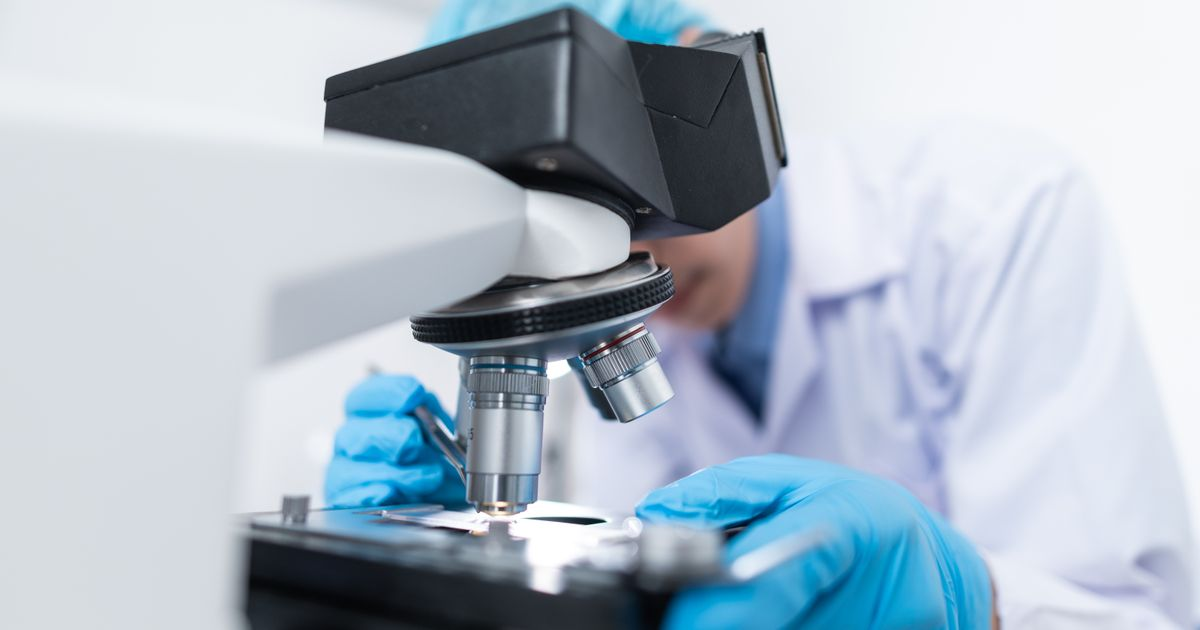
Forensic gemology relies on both simple and advanced tools. The basics include a loupe, microscope, refractometer, polariscope and ultraviolet lamp. These help a gemologist study a stone’s inside, its optical behaviour and its reaction to light. Skilled use of these tools already reveals a great deal about a stone’s identity and any treatment it has had.
Advanced work uses specialised instruments that read a stone’s finer clues. These can study growth features, trace elements and light signatures that separate natural, treated and synthetic stones. Labs use such tools to reach firm, defensible findings. A strong course teaches you to move from the basic tools to the advanced ones with a clear method, so your results are accurate and repeatable.
The most important tool, though, is a trained eye backed by knowledge. Instruments give data, but a skilled gemologist reads that data correctly and knows what to test next. This is why forensic training focuses on judgement as much as equipment. A beginner may own the same microscope as an expert, yet see far less in the same stone. Time spent handling real stones under a trainer builds the trained eye that no machine can replace.
Where Jewellery Forensics Is Used
Jewellery forensics is used wherever proof about a gem matters. The card below shows the main areas, from everyday retail to legal disputes. Each area needs a trained eye and clear reporting, which is why forensic skills are valued far beyond the lab.
!Jewellery forensics, the science of proof in gems and diamonds, by IIJF Global
In retail, forensics builds trust by confirming what a shop sells. In insurance, it supports fair claims and valuations after loss or damage. In legal cases, a forensic report can settle disputes over identity, value or fraud. In customs and trade, it helps confirm what is being moved and taxed. Across all these areas, the forensic gemologist provides the proof that keeps the trade honest.
Everyday buyers benefit too, even if they never meet the expert. When you buy a diamond ring for a wedding, you trust that it is what the shop says. That trust often rests on grading and forensic checks done behind the scenes. Family jewellers also use forensic skills to protect their own business when buying stock. In this way, forensics quietly supports every honest sale, from a small store to a large export house.
Careers in Jewellery Forensics in India
Jewellery forensics opens a niche but growing career path. Trained experts work in testing labs, with insurers, in large retail chains and as independent consultants. Some support legal teams as expert witnesses. Because few people hold this deep skill, those who do can stand out in the job market. It pairs well with diamond grading and gemology, so it widens rather than narrows your options.
The path also offers room to grow and to specialise. Some experts focus on diamonds and synthetic detection, while others master coloured stone treatments. Some move into training the next generation, and others build consultancies that serve many jewellers. This variety means a forensic career rarely feels fixed. You can shape it around your strengths and interests, which keeps the work engaging over many years in the trade.
Pay reflects skill, experience and the value of the cases you handle. Entry level roles start in line with skilled gemology work, while experienced forensic experts and consultants can earn more. As the field grows, so should its rewards. To build the skill, you need proper training with real stones and instruments. A gemology foundation combined with forensic study gives you a strong, in demand profile.
The field also rewards those who keep learning. New treatments and better synthetics appear each year, so a forensic gemologist never stops studying. This constant learning keeps the work interesting and keeps your skills in demand. Those who build a name for accurate, honest findings become trusted voices in the trade. In an emerging field, an early expert who stays sharp can grow into a leader as the profession matures.
Common Myths About Jewellery Forensics
A few myths surround this field, and clearing them helps. One myth is that a lab grown diamond is fake. It is not; it is a real diamond, and the point is honest disclosure of its origin. Another myth is that only huge labs can do forensic work. In truth, a trained gemologist with the right tools and method can carry out much of it, and grow into advanced cases over time.
A third myth is that forensics is only about catching criminals. Most of the work is quiet, everyday checking that protects ordinary buyers and honest sellers. It is less about drama and more about careful proof. Understanding these truths helps learners see forensics for what it is: a practical, science based skill that the jewellery trade needs every single day.
The Jewellery Forensics Diploma at IIJF Global
IIJF Global is a gems and jewellery training institute in Bangalore that has trained more than six thousand students. It is named for jewellery forensics and teaches it as a full diploma, which few institutes in India do. You learn detection, treatment identification and reporting with real stones and instruments, guided by working gemologists and jewellery professionals. The institute also offers dedicated placement support through its trade network.
Forensics also connects to IIJF’s other courses. You can pair it with diamond grading, gemology or even navratna and astrogemology to build a broad profile. Courses run online, offline or hybrid, so you can study around work or study. To learn more about the institute, its trainers and this specialised path, visit the about page.
How to Get Started in Jewellery Forensics
Getting started follows a clear path. Begin with a strong base in gemology and diamond grading, since forensics builds on both. Then add forensic detection training with real stones and instruments. Practise until you can tell natural from synthetic and spot common treatments with confidence. Build a habit of careful records, since good reporting is part of the skill. Finally, use placement support and trade contacts to find your first role.
Choose your institute with care, because lab time and trainers decide your skill. Look for a course that teaches forensics as a full, hands on subject rather than a footnote. Ask about instruments, lab hours and how you are assessed. A course that tests real detection skill gives you a credential the trade can trust. With the right training and steady practice, you can move from beginner to capable forensic gemologist and enter a field that few others can.
The Future of Jewellery Forensics in India
The future of jewellery forensics looks bright. Lab grown diamonds are becoming more common, and treatments keep improving, so the need for proof will only grow. Buyers are also more aware than before, and they ask harder questions about what they are buying. This rising awareness pushes jewellers, insurers and labs to rely more on trained forensic experts. The direction of the market clearly favours those with detection skills.
Technology will shape the field too, but it will not replace the expert. New instruments make detection faster and more precise, yet someone must still read the results and make the call. This means forensic gemologists who keep learning will stay in demand. For anyone entering now, the field offers a rare mix of a growing market, a scarce skill and work that genuinely matters to buyers and the trade alike.
Conclusion
Jewellery forensics is the science of proof in a market where fakes and treatments are common. It confirms what a gem truly is, protects buyers and keeps the trade honest. As lab grown stones and clever treatments spread, this skill is more valuable than ever. With proper training, jewellery forensics offers a rare, respected and future ready career. Explore IIJF Global’s forensics and gemology courses to enter this emerging field.