Rare 37.4-Carat Diamond Discovered: Half Pink, Half Colorless Gem Stuns the World
Half Pink, Half Colorless: Rare 37.41-Carat Diamond Discovered in Botswana
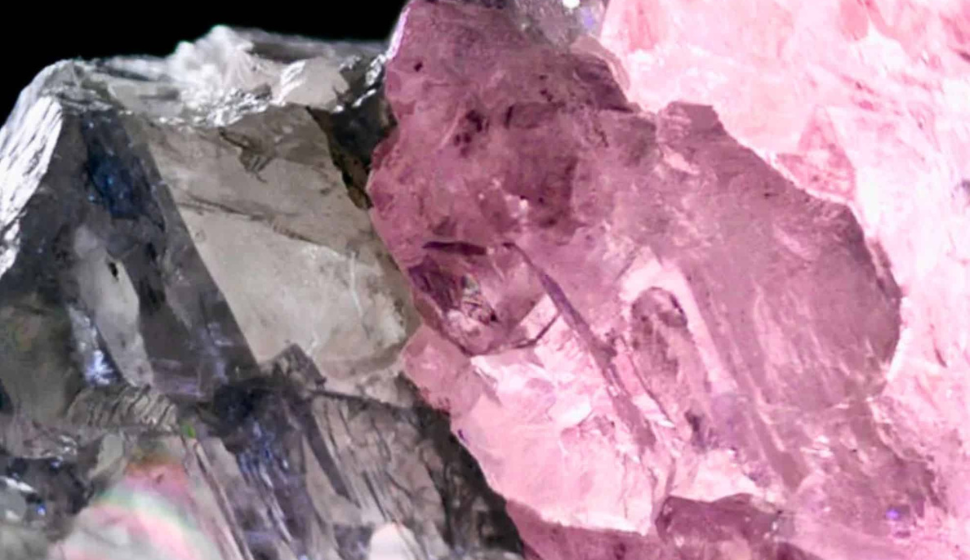
A rare 37.41-carat diamond discovered at Botswana’s renowned Karowe mine has captured global attention for its extraordinary structure—perfectly divided into one pink half and one colorless half. Preserved in its natural form for scientific study, the diamond offers valuable insight into diamond grading and identification, as such intact specimens are seldom available for detailed analysis. Classified as a rare Type IIa diamond, the stone exhibits exceptional chemical purity, making its striking color contrast even more distinct.
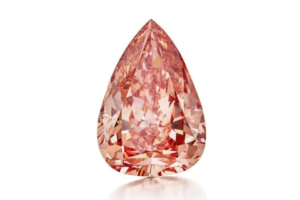
Pink diamonds are among the rarest gemstones in the world, and their color is caused not by trace elements but by plastic deformation within the crystal lattice. In this unique diamond, the pink section formed first under extreme geological stress, while the colorless half developed later under stable mantle conditions. This clear two-stage growth pattern helps researchers better understand the types of diamonds and their color origins and supports advanced studies in diamond grading standards and GIA classification.
Formed more than 160 kilometers beneath the Earth’s surface and transported rapidly by kimberlite magma, this diamond preserves a natural record of deep mantle processes. Similar deformation patterns seen in other famous pink diamond deposits suggest a strong link between tectonic forces and rare color formation. Discoveries like this highlight the importance of gemological research and jewelry forensics training and reinforce the role of the International Institute of Jewelry Forensics (IIJF Global) in advancing professional diamond education.
Image Credits: Indian Defence Review